The original use case for this stuff was unencrypted HTTP with a public WiFi connection, in which case your ISP is the owners of whatever shop you’re in and yeah they could see everything.
If you’re at home or whatever it offers effectively no benefits, doesn’t “block trackers” or whatever nonsense like Nord claims, but I don’t think Microsoft ever claimed that it did.
This isn’t sending your packets anywhere but their closest datacenter, not sure I’d trust MS (Or rather, Cloudflare) with your porn rather than your ISP who you’re actually paying.
Are you talking torrents? Or downloading off the web? If youre talking torrents it’s not your ISP, it’s usually whoever “owns” the content you torrented. Well not them directly but companies and shit that will go and download all the torrents of said content off public trackers, monitoring the IPs the connect. They will then spam the ISP with IPs, at no time does the rights holder know who you are they just have the IPs, however your ISP is required to take those and send a boilerplate letter to notify you that you did it and shouldn’t do it again.
Atleast for Shaw up in here Canada. One of the few positives with our shitty telecoms
With https I don’t but I’m not really at risk so I might make other choices otherwise, idk. But def use vpn when torrenting bc your ISP *will* send a letter
Some VPNs can block trackers in a very narrow sense. If they are set up to prevent DNS leaks and provide an internal DNS service, that can blackhole ads and trackers just like PiHole, Adguard Home, et al.
There’s still a bunch of other ways to fingerprint people online, but I wouldn’t say using a VPN at home offers no benefits.
I use a VPN to get access to my home remotely and privately.
I also use it from my home to access content that is region locked or censored in my country.
No benefits? The way things are going, you won’t be able to fart on the internet without a VPN.


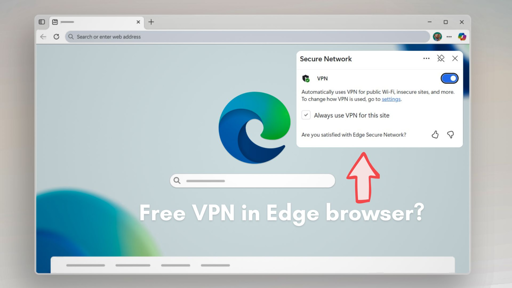
The original use case for this stuff was unencrypted HTTP with a public WiFi connection, in which case your ISP is the owners of whatever shop you’re in and yeah they could see everything.
If you’re at home or whatever it offers effectively no benefits, doesn’t “block trackers” or whatever nonsense like Nord claims, but I don’t think Microsoft ever claimed that it did.
Porn.
Also my ISP sniffs packets enough to send copyright complaints, so I’d rather outsource that exposure to a country with privacy laws.
This isn’t sending your packets anywhere but their closest datacenter, not sure I’d trust MS (Or rather, Cloudflare) with your porn rather than your ISP who you’re actually paying.
For porn (in most of the us), the goal is geolocation spoofing to avoid ID requirements, not anonymity.
That said, I doubt edge achieves even that, since they likely keep their servers in the states. I was more talking about VPNs broadly.
Are you talking torrents? Or downloading off the web? If youre talking torrents it’s not your ISP, it’s usually whoever “owns” the content you torrented. Well not them directly but companies and shit that will go and download all the torrents of said content off public trackers, monitoring the IPs the connect. They will then spam the ISP with IPs, at no time does the rights holder know who you are they just have the IPs, however your ISP is required to take those and send a boilerplate letter to notify you that you did it and shouldn’t do it again.
Atleast for Shaw up in here Canada. One of the few positives with our shitty telecoms
Mine only sends those for torrenting, that doesn’t need much scrutiny to detect
I use one for Usenet, but maybe I’m too cautious.
With https I don’t but I’m not really at risk so I might make other choices otherwise, idk. But def use vpn when torrenting bc your ISP *will* send a letter
Some VPNs can block trackers in a very narrow sense. If they are set up to prevent DNS leaks and provide an internal DNS service, that can blackhole ads and trackers just like PiHole, Adguard Home, et al.
There’s still a bunch of other ways to fingerprint people online, but I wouldn’t say using a VPN at home offers no benefits.
I use a VPN to get access to my home remotely and privately.
I also use it from my home to access content that is region locked or censored in my country.
No benefits? The way things are going, you won’t be able to fart on the internet without a VPN.